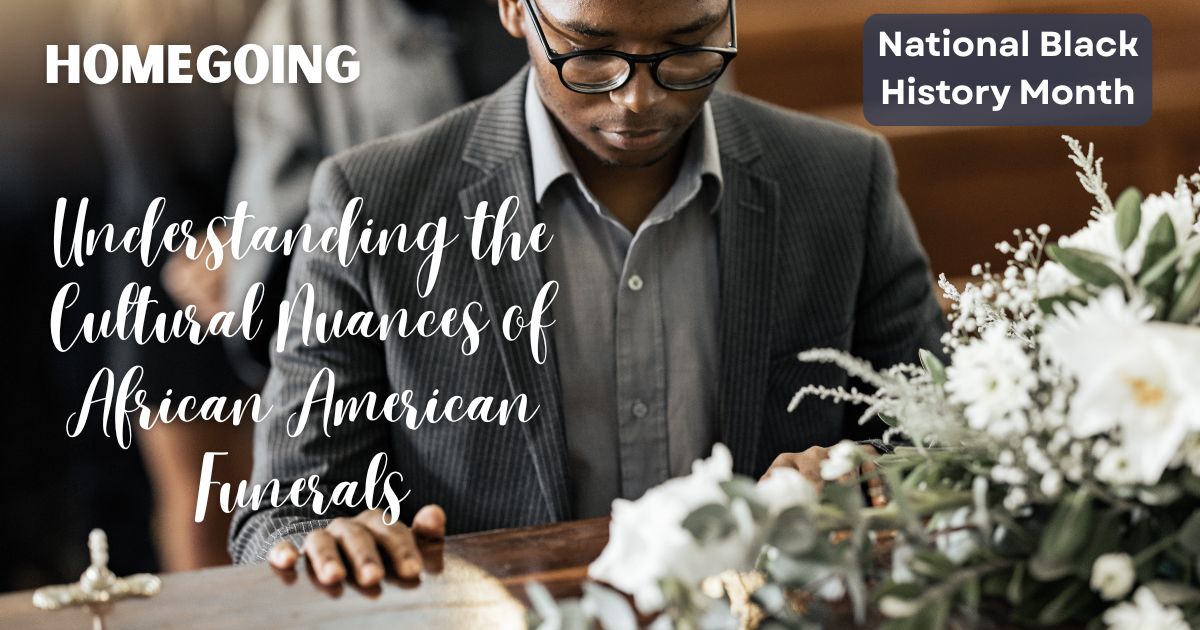
When a loved one passes away, every culture has unique traditions for saying goodbye. For the African American community, the funeral service—often referred to as a Homegoing Celebration or simply a Homegoing—is much more than a somber final goodbye; it is a profound, communal, and spiritually focused event.
If you are unfamiliar with these traditions, understanding the cultural nuances of a Homegoing can offer deep appreciation and help you show respect to grieving families.
This is a brief introduction to the key elements that set the Homegoing Celebration apart.
💖 A Focus on Celebration and Transition
The most distinguishing difference of a Homegoing is the underlying philosophy. While grief is certainly present, the emphasis is firmly placed on celebration and spiritual transition.
In many Christian denominations, particularly in the Black church tradition, death is viewed not as an end, but as the faithful transition of the soul from earthly life to a heavenly reward—literally, "going home." This belief infuses the entire service with a triumphant, hopeful spirit.
🎤 The Power of the Service (The Worship Element)
A Homegoing service is typically longer and often structured like a traditional church worship service, even if held at the funeral home.
- The Musical Core: Music is indispensable. Services are rich with gospel music, which is central to the Black American spiritual experience. This music is often lively, featuring powerful choir performances and congregational singing designed to move, comfort, and uplift the attendees. It is not uncommon for music to elicit joyous, audible responses.
- The Eulogy: The eulogy is paramount. Delivered by a minister, it is often a powerful, lengthy, and highly engaging message that tells the life story of the deceased, provides theological comfort, and encourages the living community.
- Active Participation: Attendees are encouraged to participate openly—clapping, shouting "Amen," or standing up to acknowledge a good word or song. This active, emotional engagement is a natural, encouraged part of the Homegoing tradition.
👗 Presentation and Respect
The visual presentation of the deceased is treated with exceptional care and reverence, reflecting deep respect for the physical body.
- Open Casket and Viewing: An open-casket viewing is extremely common and is a deeply important part of the process, offering a final opportunity for the community to pay their respects.
- Dress and Dignity: The deceased is typically dressed with meticulous attention to detail. Similarly, attendees generally observe a high standard of dress, often wearing formal attire (darker colors are common, but vibrant colors are not unheard of, especially in the context of celebrating life).
🤝 The Role of Community
The Homegoing is fundamentally a community event, underscoring the vital role the church and neighborhood play in supporting the family.
- The Repast: Following the service and burial, the community often hosts a Repast (a large, catered or potluck meal). This gathering is essential for socializing, providing tangible support (food), and extending comfort outside the formality of the service.
- Support System: The funeral home itself often serves as a historic and trusted community hub, deeply involved in the social, political, and spiritual life of the community.
Showing Respect
If you attend a Homegoing, remember to approach the experience with an open heart. Participate respectfully in the service, be present for the family, and understand that expressions of grief might be louder, more visible, and mixed with celebration—a beautiful acknowledgment that life, though finite, has eternal spiritual meaning.
HAVE QUESTIONS? WE ARE HERE TO HELP.
TRENDING BLOG POSTS & PODCASTS | BROWSE ALL